Flat Roofs vs. Pitched Roofs: Pros, Cons, and Best Uses for Each
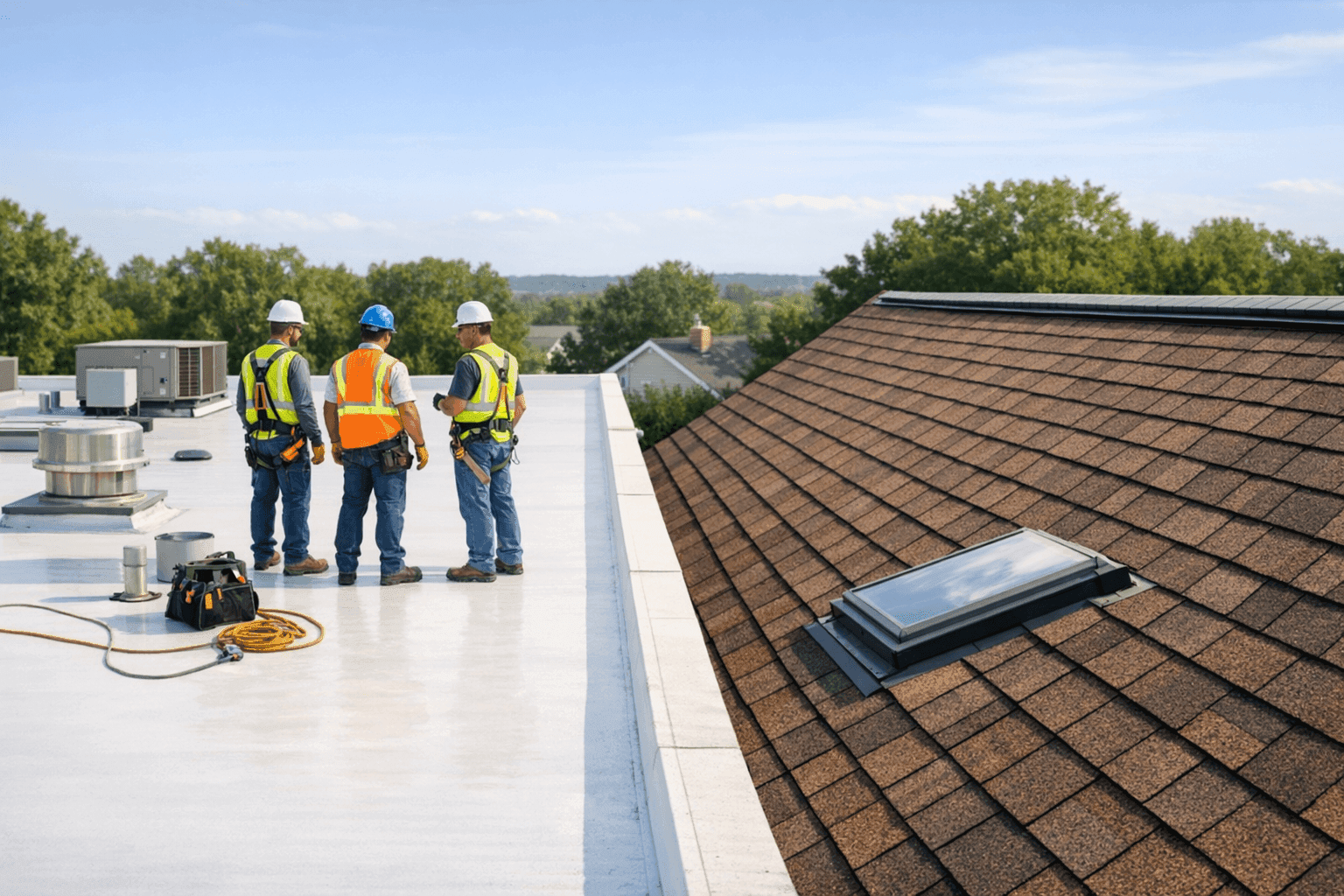
Choosing a roof isn’t just about looks. It’s about how your property stands up to the daily grind—rain, sun, wind, and time. Maybe you’re weighing your options for a new build, or maybe the old roof has seen better days. Either way, understanding the difference between flat and pitched roofs helps you make decisions with confidence.
At Ruizz Roofing, we see firsthand how the right roof impacts durability, comfort, and peace of mind for both homes and businesses. Let’s break down the facts, myths, and real-world details that matter most.
What Is a Flat Roof? Defining the Modern Contender 🏢
A flat roof isn’t technically flat—it has a slight slope (usually between 1/4 and 1/2 inch per foot) to drain water. Think of it as a gentle hilltop, not a pool table. Flat roofs are common on commercial buildings, modern homes, and places where rooftop space is valuable.
Main features:
- Minimal slope, invisible at a distance
- Often covered with materials like modified bitumen, EPDM rubber, or TPO membrane
- Popular for rooftop decks, green roofs, and solar panel setups
What Is a Pitched Roof? The Classic Silhouette 🏠
Pitched roofs come to mind when you picture a storybook house. Two sides meet at a peak, channelling water and snow down and away. The angle (pitch) can be steep or gentle, but it’s always visible.
Key features:
- Obvious slope, usually over 10 degrees
- Uses materials like shingles, tiles, metal panels, or wood shakes
- Suited to traditional homes and areas with heavy rain or snow
Cost: Flat vs. Pitched Roofs
Let’s talk budgets. Flat roofs usually cost less to install because they require fewer materials and less labor. The design is simpler—no peaks, valleys, or intricate framing. But, they may need more frequent attention to keep leaks at bay.
Pitched roofs have a higher upfront cost due to complex framing and extra materials. But the long-term maintenance may be less expensive, especially if you choose durable products. Remember, every roof is unique—size, material, and complexity all play a role in final costs.
Maintenance: What Each Type Demands
Flat roofs are like a garden—plan on regular check-ups. Leaves, branches, and debris can collect, creating blockages or ponding water. Routine inspections, gutter cleaning, and sealant touch-ups are a must. Even small leaks can become big headaches if ignored.
Pitched roofs shed debris more easily, but still require monitoring. Damaged shingles, flashing, or gutters can lead to leaks or rot. Annual inspections and after-storm checks are recommended for both styles. According to the National Roofing Contractors Association, regular maintenance is the best way to maximize roof life.
Longevity: How Long Should You Expect Your Roof to Last?
A well-maintained flat roof can last 15–30 years, depending on materials and climate. Premium membranes and coatings can stretch that timeline.
Pitched roofs, especially those with metal, tile, or architectural shingles, can last 20–50 years or longer. The pitch itself helps water run off efficiently, protecting materials from standing moisture and the slow creep of decay.
No roof is truly “set and forget.” Longevity depends on proper installation, quality materials, and ongoing care.
Insulation and Energy Efficiency: Staying Comfortable Year-Round
Flat roofs make insulation easy. There’s usually space to add thick, continuous layers above or below the decking. Modern membranes can reflect sunlight, keeping interiors cooler in summer.
Pitched roofs often use attic insulation, with airflow between the ceiling and roof deck. This prevents heat buildup, especially if proper ventilation is installed. In cold climates, a well-insulated pitched roof helps prevent ice dams—a major cause of leaks.
Both styles can be made energy efficient. The key is matching insulation and ventilation to your climate and building needs.
Drainage: Where Does the Water Go?
Drainage is the name of the game. Flat roofs direct water to internal drains, scuppers, or perimeter gutters. If these get clogged, water can pool, leading to leaks or structural damage.
Pitched roofs use gravity to their advantage. Water and snow naturally slide off, reducing the risk of ponding. Gutters and downspouts need to be clear and sturdy to handle the runoff.
No matter the style, regular gutter cleaning and “after the storm” checks will keep your roof happy.
Use Cases: Where Flat Roofs Shine
Flat roofs are the workhorses of commercial roofing. They provide easy access for HVAC units, solar panels, or even rooftop gardens. Many modern homes use flat roofs to achieve clean, contemporary lines and maximize outdoor living space.
Best uses for flat roofs:
- Warehouses, offices, and retail buildings
- Homes with rooftop patios or green roofs
- Buildings with solar panels or skylights
If you want to explore professional flat roofing solutions tailored to your needs, our team of experienced flat roof experts can guide you through the best flat roof options.
Use Cases: When Pitched Roofs Are Preferred
Pitched roofs are classic for a reason. They perform well in rainy or snowy climates, shedding moisture quickly. The attic space can be used for storage, insulation, or even an extra room.
Best uses for pitched roofs:
- Traditional homes and cottages
- Buildings in areas with heavy rainfall or snow
- Properties needing extra attic space
Code & Safety Guidelines: What the Pros Know
Both roof types must meet local building codes and safety standards. For flat roofs, proper drainage is essential—most codes require a minimum slope and specific waterproofing methods. Pitched roofs need correct framing, load calculations, and secure attachment of materials.
The International Building Code and National Roofing Contractors Association provide up-to-date guidelines for roofing safety and performance. Always confirm your project meets these standards, whether it’s new construction or a replacement.
Common Misconceptions: Setting the Record Straight
- Flat roofs always leak. Not true. With correct installation and routine maintenance, a flat roof can be as reliable as a pitched one.
- Pitched roofs don’t need maintenance. All roofs need regular care to prevent small issues from turning into costly repairs.
- Flat roofs are only for businesses. Modern homes, schools, and even apartment buildings successfully use flat roofs for style and function.
Preventative Maintenance: Your Best Investment
Think of roof maintenance like brushing your teeth. Skip it, and you’ll pay the price. Regular inspections, cleaning, and minor repairs keep both flat and pitched roofs in top shape.
Flat roof maintenance tips:
- Check for ponding water after rain
- Clear drains and gutters every season
- Inspect seams and membranes for cracks
Pitched roof maintenance tips:
- Look for missing or damaged shingles after storms
- Check flashing around chimneys and vents
- Keep gutters and downspouts free of debris
When to Call a Roofer: DIY vs. Professional Assessment
Some upkeep—like clearing gutters or checking for visible debris—can be handled by property owners. But when it comes to leaks, damaged materials, or complex repairs, it’s time for a professional. Roof work is risky and requires specialized skills and equipment.
A professional roofer inspects not just the surface, but the structure, flashing, insulation, and ventilation. This ensures any issues are caught early and solutions fit your roofing type.
Timeline and Disruption: What to Expect
Flat roof installations or repairs are often faster because of the simple design. Pitched roofs can take longer due to steep slopes and complex angles, especially if the weather doesn’t cooperate. Both types may require access to your attic or interior, especially for leak repair or insulation upgrades.
Most roofing projects can be started and finished within a few days to a week. Plan for some noise and limited access while the work is underway. Your crew should keep you updated on progress and next steps.
Signs of Trouble: What to Watch For
Catch problems early to save money and headaches. Here’s what to look out for:
Flat roofs:
- Pools of water that don’t drain within 48 hours
- Blisters or bubbles in the membrane
- Cracks along seams or flashing
Pitched roofs:
- Missing, cracked, or curling shingles
- Leaks or water stains in the attic
- Sagging rooflines or visible daylight
If you spot these signs, schedule an inspection with a roofing professional.
Emergency Situations: Acting Fast
Storms, falling branches, or sudden leaks can turn any roof into an emergency. Don’t wait—act quickly to minimize damage. Cover the area with a tarp if you can do so safely, and call for emergency roofing services. Both flat and pitched roofs can be stabilized until permanent repairs are made.
Eco-Friendly Options: Roofing for the Future
Both flat and pitched roofs offer eco-friendly upgrades. Flat roofs are ideal for solar panels, green roofing systems, or reflective coatings that reduce energy use. Pitched roofs can be fitted with cool shingles or metal for improved energy efficiency.
Ask your roofer about sustainable materials and options that fit your building and budget.
FAQs: Your Roofing Questions Answered
Do flat roofs cost less than pitched roofs?
Usually, yes—at least up front. But consider long-term maintenance.
Can I walk on my flat roof?
Some are designed for foot traffic (like decks), but always check with your installer first.
Which roof is better for heavy snow?
Pitched roofs are generally better at shedding snow, reducing the risk of collapse.
How often should I schedule a roofing inspection?
At least once a year, and after major storms. More often for older roofs or those with visible issues.
Making the Right Choice: Professional Assessments Matter
Choosing between flat and pitched roofs is about more than aesthetics. Consider your building’s use, local climate, future plans, and maintenance preferences. A professional assessment looks at structure, insulation, drainage, and safety to recommend the best fit.
Ready to move forward? Whether you need flat roof installation, repair, or a complete replacement, Ruizz Roofing is here to help—every step of the way.
Call Ruizz Roofing now — or reach us anytime at 833-385-7862 .