How Much Does a New Roof Cost? Factors That Impact Your Investment
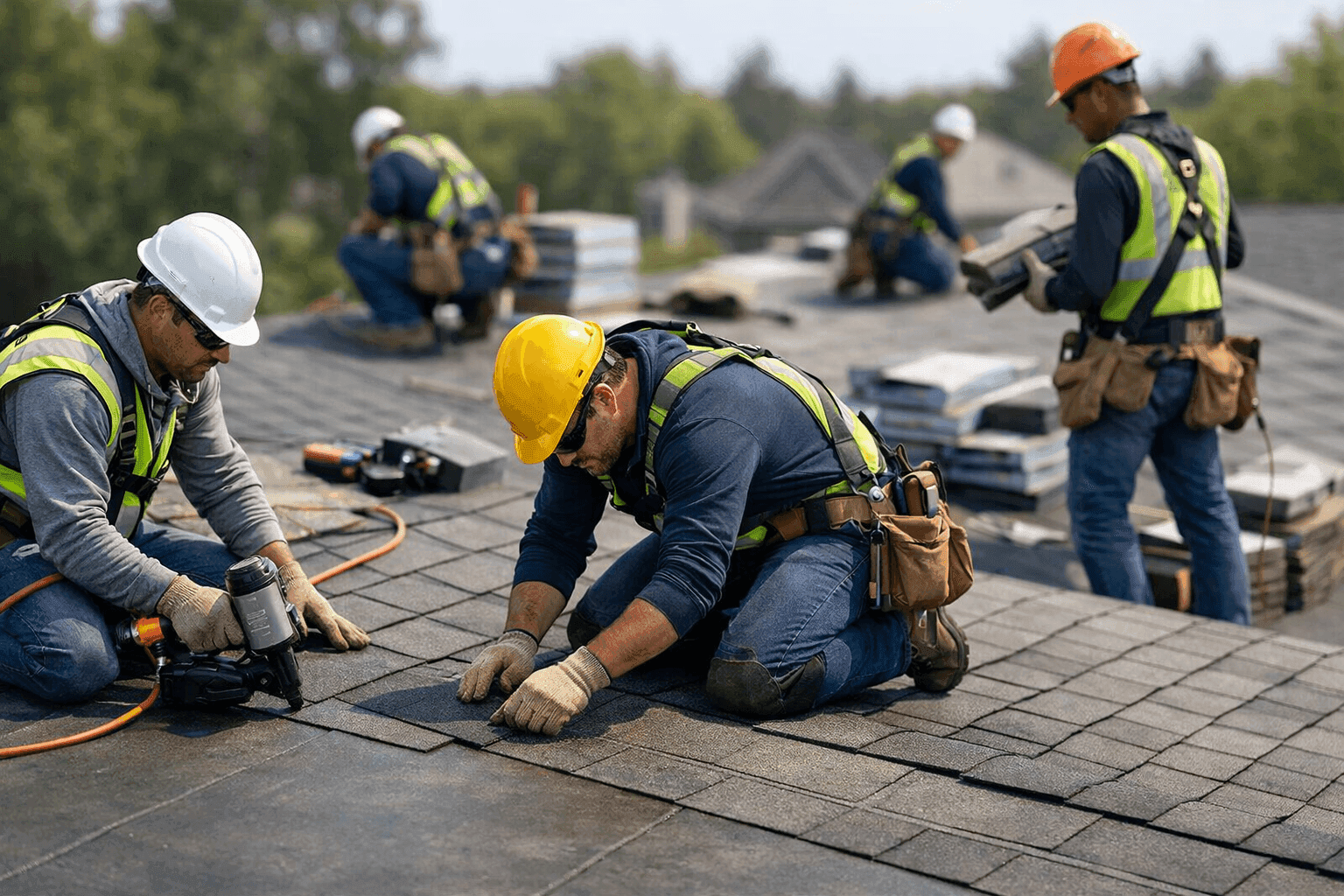
Replacing a roof isn’t just another home project—it’s a major investment. Whether you’re dealing with leaks, storm damage, or just time itself, the decision to install a new roof can feel overwhelming. At Ruizz Roofing, we know that understanding the cost helps you plan, avoid surprises, and protect your property for years to come.
Let’s break down the real factors behind new roof pricing. We’ll keep it straightforward, clear, and full of practical advice—so you feel confident when it’s time for your next roofing project.
Why Roof Replacement Costs Vary So Much
No two roofs are alike. Think of roofing like tailoring a suit: every measurement matters, and every choice adds up. The cost of a new roof depends on far more than just square footage. Material type, roof shape, slope, and the extras you choose all shape your final investment.
Material Choices: What’s On Top Makes a Difference
The material you pick is like the engine in a car—it sets the pace for everything else.
- Asphalt Shingles: Most common and budget-friendly, with plenty of color choices.
- Metal Roofing: Longer-lasting, energy-efficient, and often eco-friendly.
- Tile Roofing: Heavyweight, beautiful, and durable, but needs the right structure to support it.
- Flat Roof Systems: Popular for commercial buildings and some modern homes—different installation methods and materials (like TPO, EPDM, or built-up roofing) impact cost.
Each material comes with unique benefits and maintenance needs. For example, metal resists fire and wind but may cost more upfront. Tile offers a high-end look but can be heavier and pricier to install.
Roof Size and Shape: The Blueprint Matters
A small, simple roof is like a flat hiking trail—easy, quick, and less expensive. A large, multi-level roof with dormers and valleys? That’s a mountain trek. More surface area, more complexity, steeper slopes, and tricky access all raise the price. The more time and labor your roof needs, the higher the investment.
Labor: Skilled Hands Behind Every Shingle
Roofing isn’t just about materials. It’s about the skill, safety, and experience of the crew on your property. Highly trained installers who follow industry safety standards (such as OSHA guidelines) may cost more, but their work can last longer and protect your investment. Labor costs also reflect insurance, equipment, and site prep.
Warranties: Peace of Mind, Priced In
Most quality roof replacements come with both manufacturer and workmanship warranties. The length and coverage of these warranties can impact your quote. Think of it like adding an extended care plan—you pay a little more now for extra security later.
Additional Features: More Than Just Shingles
- Skylights: Repair or installation adds cost, but also brings in natural light.
- Gutters & Downspouts: New or upgraded systems protect your exterior and foundation.
- Insulation & Ventilation: Essential for energy efficiency and roof longevity.
- Flashing & Chimney Work: Small details, big impact on performance and leak prevention.
- Sealants & Coatings: Prolong the life of your roof, especially in high-wear areas.
Each upgrade adds to the investment, but also to the value and function of your roof.
Residential Roofing vs. Commercial Roofing: What’s Different? 🏢
If you’re a homeowner, your roof might be steep, shingled, or accented with skylights. For commercial property owners, expect larger flat roofs, specialized drainage, and different material choices.
- Residential roofs often prioritize curb appeal and comfort.
- Commercial roofing focuses on durability, low maintenance, and sometimes eco-friendly or energy-saving options like reflective coatings.
Labor, materials, and code requirements vary between the two, leading to different cost structures.
Typical Price Ranges: What’s Included?
While every project is unique, most roofing quotes include:
- Tear-off and disposal of old roofing
- New underlayment and waterproofing
- Installation of chosen material
- Flashing, vents, and accessories
- Site cleanup
Some quotes may also cover structural repairs or upgrades to meet current building codes. Always ask for a detailed, line-by-line estimate so you know exactly what’s included.
Comparing Roofing Estimates: Apples to Apples
Not all roofing quotes are created equal. Here’s how to compare them:
- Scope: Are all materials and tasks included?
- Materials: Are the brands and grades specified?
- Warranty: What’s covered, and for how long?
- Labor: Are experienced, insured crews doing the work?
- Cleanup: Will they remove all debris?
Request clarification on anything that isn’t clear. A detailed estimate protects both your budget and your peace of mind.
Common Cost Pitfalls (and How to Avoid Them) 🚫
- Hidden Damage: Rot or water damage beneath old shingles can raise costs. A thorough inspection helps avoid surprises.
- Change Orders: Adding features mid-project? Expect the price to change.
- Unlicensed Contractors: Lower bids may mean shortcuts on insurance, safety, or code compliance.
Choose contractors who provide transparent, written estimates and explain each line item.
What Pros Do When They Arrive
Professional roofers don’t just show up and start hammering. They:
- Inspect your current roof and attic
- Assess structural needs and ventilation
- Plan for safe removal and disposal
- Protect landscaping and property
- Communicate timelines and steps
This careful approach helps prevent costly mistakes and keeps your project on track.
Timeline & Disruption: What to Expect
Most residential roof replacements take a few days. Commercial projects may take longer, especially for larger or more complex buildings. Weather, material availability, and existing roof conditions can all impact timing. Plan ahead for some noise and activity, but a well-organized crew minimizes disruption.
When It’s Urgent: Emergency or Storm Damage
Storms, falling branches, or sudden leaks can turn roof replacement into a race against time. Emergency services often cost more due to after-hours work or rapid response. Still, prompt repairs can prevent much bigger bills down the line.
Prevention & Maintenance: Saving Money Long-Term 🛠️
Regular inspections, timely repairs, and gutter cleaning can extend your roof’s life and delay full replacement. Preventative maintenance is an investment that pays off by avoiding big, unexpected problems.
DIY vs. Call a Pro: Where Value Lies
Roofing is dangerous, technical, and often requires permits and code compliance. While handy homeowners might patch small leaks, full roof replacement is best left to professional roofing services. You get safety, quality, and a result that protects your property value.
Structural Repairs and New Construction: Special Considerations
If your roof deck or framing needs work, or if you’re building from scratch, costs increase. Structural repairs are essential for safety and longevity, and must meet building codes. New construction allows you to select modern, energy-efficient materials and features from the start.
Eco-Friendly Roofing: Long-Term Value
Choosing recycled materials, reflective coatings, or green roofing can save energy and support sustainability. While initial costs may be higher, long-term utility savings and potential incentives can make eco-friendly options a smart investment.
Frequently Asked Questions
How do I know if I need a new roof or just repairs?
If you see widespread damage, leaks, sagging, or shingles missing in many areas, replacement may be the best option. A professional inspection gives you a clear answer.
Can I stay in my home or keep my business open during roof work?
Most residential jobs allow you to stay home, though there will be noise. Commercial properties may need to coordinate access and safety, especially for flat roofs or sensitive equipment.
What’s the best time of year for roof replacement?
Mild weather is ideal, but professional crews can work year-round, adjusting for safety and material requirements.
Practical Tips for a Smooth Roofing Project
- Schedule early—good contractors may book out weeks or months.
- Budget for a little extra—unexpected repairs can arise.
- Ask about building codes and required permits.
- Keep pets and children clear of work areas.
Refer to the National Roofing Contractors Association (NRCA) and Occupational Safety and Health Administration (OSHA) for more on roofing safety and standards.
In Summary: Your Roofing Investment, Demystified
A new roof is a big decision, but understanding the moving parts helps you control the process—and your budget. Materials, labor, size, features, and the details in your quote all matter. Choose experienced, insured professionals who communicate clearly, follow safety codes, and keep your best interests in mind.
Call Ruizz Roofing now — or reach us anytime at 833-385-7862 .