Roof Repair 101: Common Problems and How to Spot Them Early
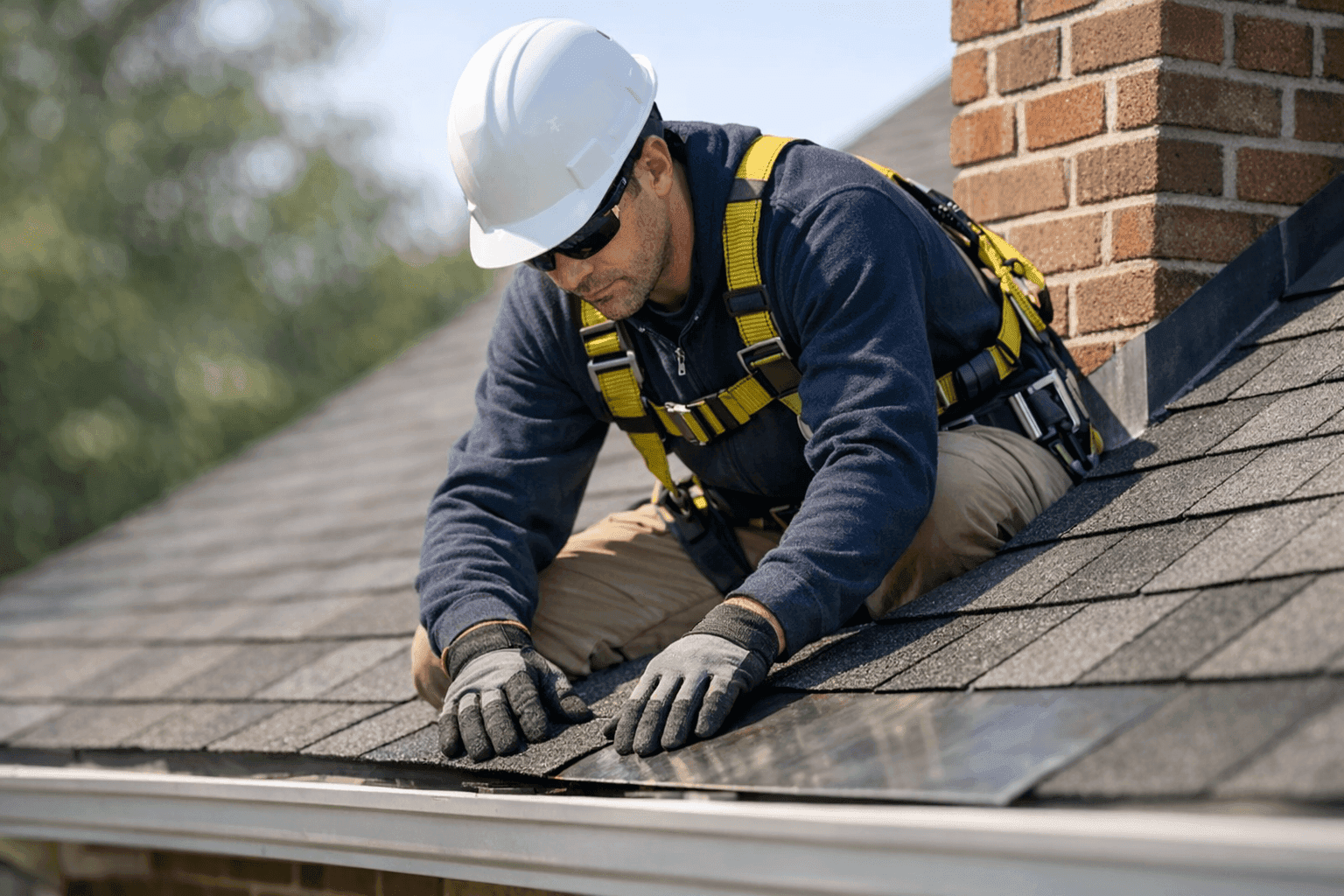
When it comes to roofing, waiting for a visible leak to take action is like waiting for your car’s engine light to start blinking before checking the oil. By then, the problem has already grown. At Ruizz Roofing, we know that spotting roof trouble early can mean the difference between a simple fix and a major headache.
You don’t need a ladder or a degree in construction to take the first step. This guide will help you see your roof through new eyes—quickly, safely, and confidently.
Spotting the Usual Suspects: Common Roofing Problems
Every roof has a story—and some chapters are more dramatic than others. Here are the most common issues homeowners and property managers face:
- Leaks or water stains: The classic sign, but often the last to appear.
- Missing or curled shingles: Like a missing puzzle piece, it leaves your roof exposed.
- Damaged flashing: The thin metal that keeps water out at edges and seams can fail quietly.
- Pooling water on flat roofs: Standing water means something is off with drainage.
- Cracked tiles or metal panels: Even small cracks can invite big problems.
- Clogged or sagging gutters: Not just unsightly—these can redirect water under the roofline.
- Worn sealants and caulking: Often overlooked, but vital for keeping moisture out.
- Loose or missing roof vents: A minor gap can lead to major leaks.
If you spot any of these, don’t ignore them. Small problems have a way of growing up fast.
Your Quick Safety Checklist Before Any Inspection 🦺
Before you start, remember: your safety is more important than any shingle.
- Stay on the ground. Binoculars are your friend—leave the climbing to professionals.
- Choose a clear, dry day. Wet roofs are slippery, even from the ground.
- Look out for power lines and overhead hazards.
- Never walk on a roof you suspect is damaged or weak.
When in doubt, call in a roofing professional. The cost of an inspection is small compared to a fall.
How to Perform a Safe Visual Roof Inspection
Think of this as birdwatching for your house—no need to get too close. Here’s what to look for:
- Scan the roof line. Are there any visible sags or dips?
- Look for dark patches or shiny spots. These can signal missing granules or exposed underlayment.
- Check the gutters. Is there shingle grit collecting, or are they pulling away from the fascia?
- Spot-check around skylights, chimneys, and vents. Look for rust, gaps, or cracked seals.
- Peek at the downspouts. Make sure water flows away from the foundation.
Don’t forget to walk around the entire property. Sometimes the damage is hiding on the “back side” of the roof.
Interior Clues: What’s Happening Inside Tells a Story
Sometimes your roof whispers its secrets indoors before shouting them outside.
- Ceiling stains or brown rings: Water is making its way in, even if you can’t see the source.
- Peeling paint or bubbling plaster: Moisture trapped behind walls.
- Musty smells or visible mold: Poor ventilation or active leaks.
- Dripping sounds after storms: Always investigate, even if the spot dries quickly.
If you see or smell any of these signs, act quickly—interior damage usually means the roof problem is no longer “just outside.”
The Usual Suspects: Leaks and Their Sneaky Causes
A leak is rarely where it appears. Water follows the path of least resistance, sometimes traveling feet before dripping down. Common leak sources include:
- Worn or cracked sealants around skylights and chimneys
- Loose flashing on valleys or sidewalls
- Nail pops under shingles or panels
- Clogged gutters forcing water under the edge
Think of your roof as an umbrella. If there’s even a pinhole, everything underneath is at risk.
Flat Roofs: Pool Party or Problem?
Flat and low-slope roofs need extra attention. Pooled water is like an unwanted guest—it overstays and causes damage.
- Look for standing water 48 hours after rain.
- Check for soft spots under the membrane.
- Watch for “alligatoring” (cracks in coatings).
Flat roofs demand regular inspections, especially after heavy weather. Early intervention saves you from structural headaches.
Skylights and Chimneys: More Than Just a View
Skylights and chimneys bring light and warmth, but also unique risks. Their edges are favorite spots for leaks to sneak in.
- Inspect for cracked or peeling seals.
- Look for rust, loose flashing, or deteriorated mortar.
- Check inside for condensation around the frames.
If you’re searching “Skylight Repair near you,” it’s likely time for a professional assessment.
Gutter Troubles: The Domino Effect
Clogged or damaged gutters are like blocked arteries—they put the whole system at risk.
- Debris buildup: Can cause overflow and rot roof decking.
- Loose or sagging sections: Water will find the easiest exit, even if that’s into your walls.
- Missing downspout extensions: Can lead to foundation leaks.
Regular gutter cleaning and repair keeps water moving where it should—away from your building.
Flashing: The Unsung Hero of Roof Protection
Flashing is the thin line between dry and drenched. It’s found around chimneys, valleys, and any roof feature that breaks the surface.
- Check for rust or gaps.
- Look for bent or lifted edges.
- Inspect caulking for cracks or separation.
Even a tiny gap is an open door for water. Flashing issues are best left to roofing professionals, as improper repairs often make things worse.
Don’t Miss the Signs: What Untrained Eyes Can and Can’t Spot 👀
You can catch a lot from the ground, but not everything. Here’s a quick guide:
Easier to Spot:
- Missing shingles or tiles
- Obvious sagging
- Debris in gutters
- Water stains on ceilings
Harder to Spot:
- Small cracks in flashing or sealants
- Subtle hail or storm damage
- Early-stage mold in attic spaces
- Underlying rot beneath shingles
If you have any doubt, schedule a professional roof repair inspection. Industry groups like the National Roofing Contractors Association recommend a professional inspection twice a year (spring and fall) and after major storms.
When to Call a Professional Roofer
DIY can go only so far. Call Ruizz Roofing if:
- There’s active leaking or visible water damage.
- You see missing shingles after a storm.
- Flashing appears damaged or loose.
- There are signs of mold or musty smells inside.
- You’re unsure about your roof’s condition.
Roofing is high-risk work. Professionals have the training, equipment, and insurance to tackle tough jobs safely.
Emergency Roof Repair: Acting Fast, Staying Safe
Some situations can’t wait:
- Sudden storm damage
- Major leaks during rain
- Fallen tree limbs or wind-blown debris
- Collapsing or bowing ceiling
If any of these happen, keep people and valuables out of harm’s way. Place buckets or tarps to catch drips and call for emergency roofing help immediately. Don’t risk climbing onto a damaged roof.
Preventative Maintenance: An Ounce of Prevention
Like regular oil changes for your car, scheduling roof maintenance makes a big difference.
- Clean gutters twice a year.
- Trim overhanging branches.
- Check attic insulation and ventilation.
- Ask for a professional inspection every spring and fall.
- Look for eco-friendly options like cool roof coatings to extend lifespan.
Routine checkups catch problems while they’re still small.
Homeowner & Property Manager Quick-Check Lists
For Homeowners:
- Walk the property monthly.
- Look up after every big storm.
- Watch for new stains or odors indoors.
- Call for inspection if anything seems "off."
For Property Managers:
- Schedule bi-annual roof inspections.
- Log and photograph all maintenance and repairs.
- Train staff to spot and report warning signs.
- Keep emergency contacts handy.
Consistency is key. A little vigilance goes a long way.
Common Mistakes to Avoid
- Ignoring minor leaks or stains (“It’s just a small spot.”)
- Walking on roofs without proper gear
- Waiting for leaks before acting
- Using mismatched materials for repairs
- Skipping regular gutter cleanings
Don’t let these slip-ups cost you more in the long run.
Timeline and Disruption: What to Expect During Repairs
Most small repairs take a few hours to a day. Larger projects—like full roof replacement services—can last several days. Professionals will explain the process, keep you updated, and minimize disruption. Plan for some noise and restricted access around your property during work.
Roof Materials: Know What You’re Working With
Different roofs have different weak spots. Whether you have shingle, tile, metal, or flat roofing, each material needs a unique approach. Unsure what you have? A professional can help you identify it and recommend the right maintenance.
FAQs: Your Roofing Questions Answered
How often should I inspect my roof?
Industry guidelines recommend twice a year and after any major weather event.
Can I fix a small leak myself?
Some minor issues can be patched, but hidden problems are common. When in doubt, call a roofer.
Will insurance cover roof repairs?
It depends on your policy and the cause of damage. Keep records of all inspections and repairs.
Is skylight repair or replacement expensive?
Costs vary by size and extent of damage. Early action keeps expenses lower.
The Bottom Line: Early Action Saves Roofs
Your roof is more than just shingles and nails—it’s your shield against the elements. Catching problems early means fewer surprises and less stress. If you spot trouble, don’t wait.
Call Ruizz Roofing now — or reach us anytime at 833-385-7862 .