Prevent Roof Leaks Before They Start: Maintenance Tips for Every Season
Is your roof ready for whatever the season throws at it? Most leaks don’t start with a dramatic storm—they creep in quietly, through neglected gutters or one cracked shingle. At Ruizz Roofing, we see it all. Early action can save you thousands, protect your home or business, and help you sleep better when the rain comes.
This guide breaks down what you need to check, when to check it, and when to leave it to the pros. Your roof’s first line of defense is you—armed with know-how and a good maintenance plan.
Why Roof Leaks Really Happen
A roof isn’t just shingles or metal sheets. It’s a system—like skin, muscle, and bone working together. One weak spot, and water finds its way in. Leaks often show up far from where the real problem started. That’s why regular, seasonal maintenance matters so much.
Common causes of leaks include:
- Clogged gutters and downspouts
- Damaged or missing shingles or tiles
- Worn flashing around chimneys, vents, or skylights
- Poor attic ventilation or insulation
- Debris buildup trapping moisture
Spotting these early can mean the difference between a quick fix and a costly replacement.
Spring: The Season of Renewal (and Hidden Damage) 🌱
Winter’s freeze-thaw cycles are rough on roofs. As the snow melts and rains return, spring is prime time for a close inspection.
Spring Checklist:
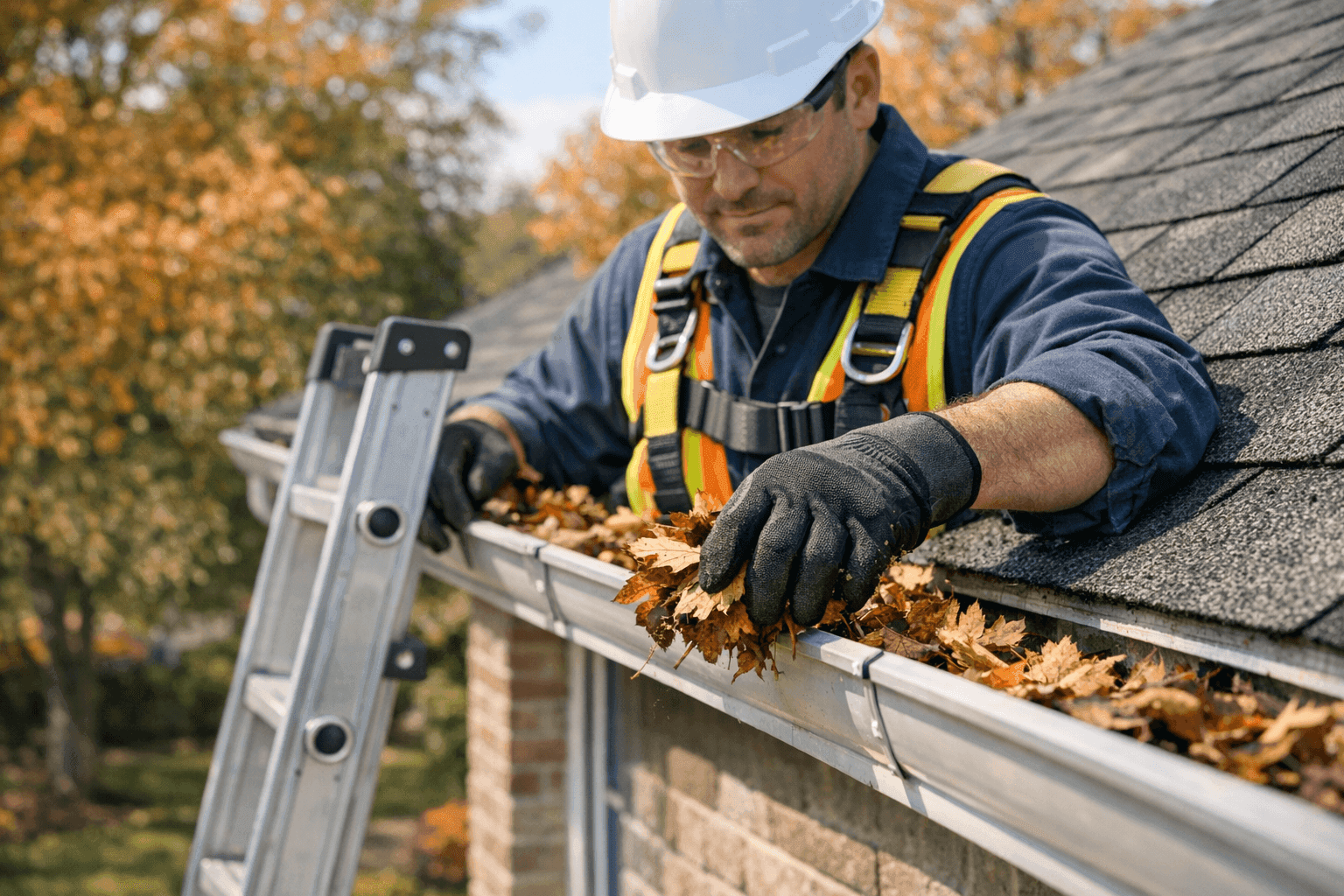
- Clean gutters and downspouts. Remove leaves, twigs, and debris. Clogged gutters can send water under your roofline.
- Inspect for shingle or tile damage. Look for curling, cracking, or missing pieces—signs winter has taken its toll.
- Check flashing and roof edges. Pay special attention to chimneys, skylights, and valleys where water likes to pool.
- Look for moss or algae. These can hold moisture and weaken your roofing over time.
- Attic check. Look for signs of leaks, such as water stains, mold, or musty smells.
DIY or Call Ruizz Roofing?
If your roof is low-pitch and safe to access, you can clear debris or check gutters. But for high or steep roofs, or if you see damage, it’s safer—and wiser—to call a professional. Falls are a leading cause of home injuries. Always put safety first.
Summer: Heat, Storms, and UV Damage
Summer brings intense sunlight, thunderstorms, and sometimes hail. The heat can dry out sealants and crack shingles, while storms can strip materials right off the roof.
Summer Checklist:
- Inspect for storm damage. After each big storm, do a walk-around. Look for missing shingles, dented metal, or damaged flashing.
- Check all roof penetrations. Vents, skylights, and chimneys need tight seals.
- Trim overhanging branches. Prevent falling debris and keep critters off your roof.
- Check attic ventilation and insulation. Proper airflow prevents heat buildup and moisture, helping shingles last longer.
What to Watch For:
- Blistering or peeling shingles
- Soft spots (could mean hidden rot)
- Sagging roof lines
If you notice any of these, schedule a professional inspection. A trained technician can spot subtle signs most people miss, like hairline cracks or improper flashing installs.
Fall: Prime Time for Prevention 🍂
Leaves, rain, and cooler weather make fall a crucial period for roof care. Think of it as setting your roof up for winter’s test.
Fall Checklist:
- Gutter cleaning is non-negotiable. Gutters full of leaves turn rainwater into a wall that can force its way under shingles.
- Inspect and repair flashing. Check around chimneys, skylights, and vents. Flashing failures are a leading leak cause.
- Look for loose nails, screws, or fasteners. These can pop up with temperature swings.
- Check roof surface for debris. Wet leaves trap moisture and can create rot or mold.
DIY vs. Pro Tip: If your gutters are tough to reach or you notice rust, sagging, or separation from the fascia, it’s time for roof maintenance services help. Professionals have the right ladders, safety gear, and can spot early signs of trouble.
Winter: Cold, Ice, and Emergency Preparedness ❄️
Snow and ice introduce unique risks. Ice dams—ridges of ice at roof edges—can force water back under shingles, leading to major leaks.
Winter Checklist:
- Watch for ice dams. If you see thick icicles or ice buildup, address attic insulation and ventilation. Don’t try to chip away ice yourself—this can damage shingles.
- Keep gutters clear when possible. If you can do so safely, remove snow and ice from gutters and downspouts.
- Check for interior signs of leaks. Stains on ceilings or walls after a thaw are a red flag.
- Look for condensation in the attic. This can signal ventilation issues.
When to Call for Help: Major leaks, persistent ice dams, or signs of structural sagging mean it’s time for professional intervention. Emergency services are there to help when the weather won’t wait.
The Hidden Dangers Most People Miss
Some roofing problems hide in plain sight. A water stain in the attic, a tiny spot of mold, or a slight dip in the roofline can point to bigger issues brewing. Wind-driven rain can sneak through even the smallest gaps. In commercial roofing, flat roofs are especially vulnerable to ponding water.
That’s why regular inspections by trained eyes matter—roofing technicians know where leaks start and how to stop them before they become disasters.
Safety First: Know Your Limits
Climbing on a roof is risky. Ladders slip, high winds surprise, and surfaces can be slippery even on dry days. The National Roofing Contractors Association recommends homeowners stay off steep or wet roofs, and always use proper safety gear.
If you’re unsure, call a professional. Your safety is worth more than any repair bill.
Signs of Trouble: What to Watch For
- Damp spots on ceilings or walls
- Curling, cracked, or missing shingles or tiles
- Rusted or loose flashing
- Granules collecting in gutters (from aging shingles)
- Moss, algae, or fungus on roof surfaces
- Unexplained spikes in energy bills (could mean insulation or ventilation issues)
- Dripping sounds during rain
These warning signs call for quick action—waiting can make repairs more expensive.
DIY Maintenance: What’s Safe for Most Homeowners
- Clearing debris from low, easily accessible gutters
- Visual inspections with binoculars from the ground
- Checking for loose downspouts or disconnected gutter sections
- Noting changes in attic conditions (smells, stains)
Do not attempt:
- Walking on steep, wet, or icy roofs
- Repairing flashing, skylights, or roof penetrations
- Removing heavy snow or ice
What Professional Roofers Do Differently
When Ruizz Roofing arrives, the first step is a thorough assessment. We look for the source of leaks (which isn’t always where the water shows up), check all roof layers, and inspect for code compliance. We use safety harnesses and the right equipment for any roof type—metal, tile, shingle, or flat.
We also document every issue, recommend the safest solution, and explain options in clear terms. Sometimes, a simple repair is all you need. Other times, full roof replacement or structural repair is the best path forward.
Preventative Maintenance: The Cost-Saving Secret
A little prevention goes a long way. Just like oil changes for your car keep the engine running, routine roof care adds years to your roof’s life. It can help you avoid emergency calls in the middle of a storm—or worse, costly water damage to your home or business.
Industry sources confirm:
Regular maintenance can extend a roof’s service life by 25–50% (National Roofing Contractors Association).
Commercial Roofing: Flat Roofs and Special Considerations
Flat roofs, often found on commercial buildings, require specific attention. Water tends to pool, and small punctures can lead to big leaks. Regular inspections, debris removal, and timely repairs are essential for keeping commercial operations running smoothly.
Sealing and coating systems provide extra protection—but only if they’re checked and refreshed as needed.
Skylights, Chimneys, and Other Vulnerable Spots
Penetrations—like skylights, chimneys, and vents—are the Achilles’ heel of most roofs. Flashing and sealants around these areas are the first to fail as seasons change.
- Inspect caulking and flashing each season.
- Look for cracks, gaps, or signs of water intrusion.
- Schedule prompt professional roof maintenance if you see condensation or leaks around skylights.
Eco-Friendly Roof Maintenance Options
Today, more property owners are looking for sustainable solutions. Ruizz Roofing offers sealants, coatings, and repair options with lower environmental impact. Regular cleaning reduces the need for harsh chemicals, and proper insulation and ventilation can lower heating and cooling costs.
Emergency Services: When Every Second Counts
If you spot a sudden leak, don’t wait. Water moves fast, and the longer it has, the more damage it causes. Ruizz Roofing offers emergency response for roof leaks, storm damage, and structural threats. Fast action can save floors, walls, and priceless possessions.
Frequently Asked Questions
How often should I have my roof inspected?
Twice a year—ideally in spring and fall. After major storms, a quick check is smart.
Can I fix a small leak myself?
You can patch a tiny area, but leaks often run deeper than they appear. A professional can trace the real source.
Are gutter guards worth it?
For homes with lots of trees, gutter guards can help—but they’re not maintenance-free. You’ll still need occasional cleaning.
How long does a typical roof last?
Most roofs last 20–30 years with regular care. Materials like metal or tile may last longer.
Leaks don’t wait for a convenient time. Let Ruizz Roofing keep your property safe, dry, and secure—season after season.
Call Ruizz Roofing now — or reach us anytime at 833-385-7862 .